
Jalbiteblog is a name people type when they want quick clarity about what’s trending in food, what to cook next, and how to keep up with the way eating habits change online. Some visitors land on Jalbiteblog looking for a single idea, like a viral drink or a seasonal dinner. Others stay for broader inspiration: new ingredients, smarter meal routines, and recipes that feel current without being fussy.
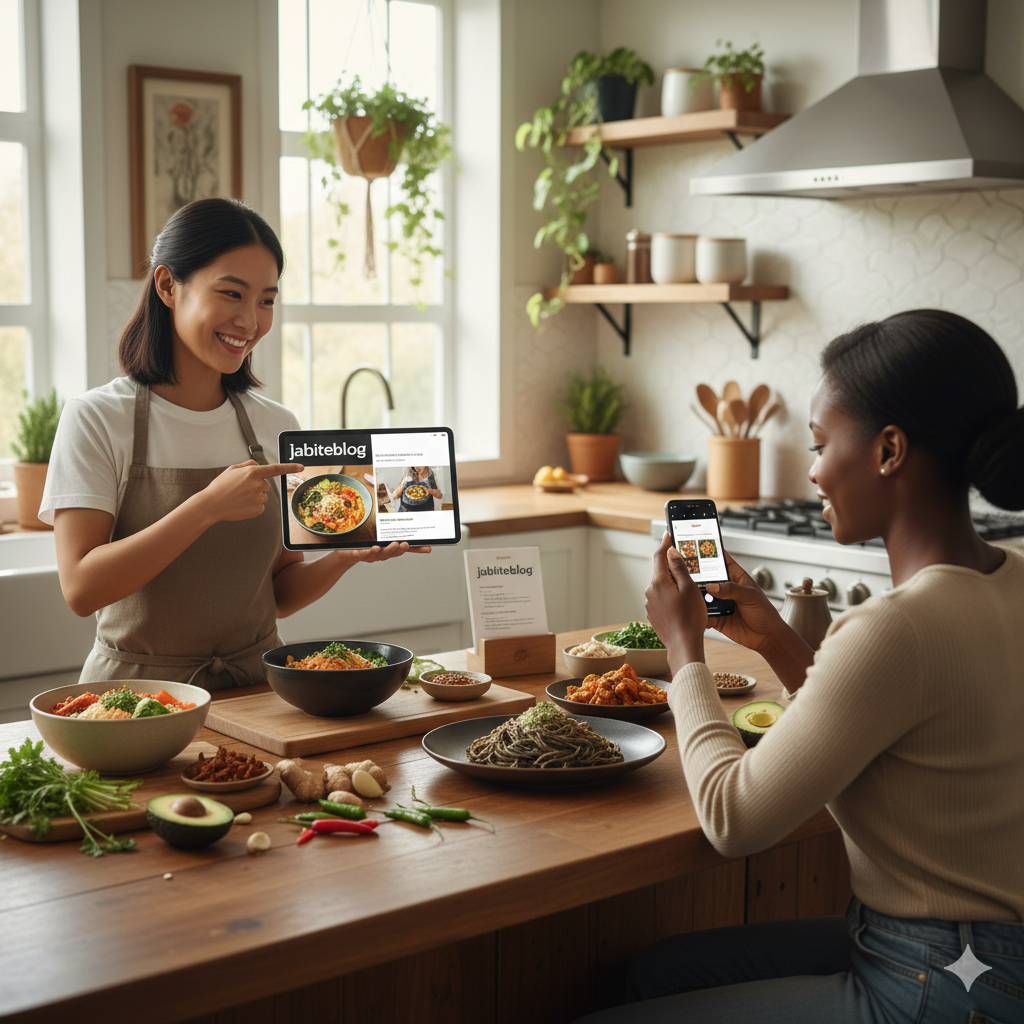
This guide explains the Jalbiteblog niche in plain language. It covers what readers usually expect from a Jalbiteblog-style site, what “online food trends” really means in practice, what kind of posts perform best, and how to build trust so Google and humans both treat the site as a real resource. It also includes a complete content structure that fits the way people browse in 2026: short attention spans, mobile-first reading, and a strong preference for clear steps, useful context, and honest results.
What “Jalbiteblog” means to readers
When someone searches jalbiteblog, the intent is normally direct. They want a specific page, a home base, or a quick answer about what Jalbiteblog is. Since the term appears across multiple sites and variations of the name, the winning homepage is the one that removes doubt in the first few seconds.
The core expectation is simple: Jalbiteblog should feel like a food-focused place that covers trends and recipes in a way that is easy to skim, easy to follow, and easy to return to.
A good Jalbiteblog homepage does four jobs fast:
It introduces what the site covers in one clear sentence.
It shows recent content so visitors see it is active.
It offers category paths so visitors can browse by intent.
It signals real ownership with an About, Contact, and visible editorial standards.
Online food trends: what people really mean
“Online food trends” can sound vague until you break it into what readers actually do. People see food through screens first. They notice new dishes, sauces, drinks, and cooking shortcuts from creators, restaurant clips, and fast-moving feeds. Then they search to confirm what a trend is, how it tastes, how to make it, and whether it is worth trying.
Online food trends jalbiteblog, food jalbiteblog, jalbiteblog food trend from justalittlebite, and the jalbiteblog food trends by justalittlebite are all versions of the same underlying need: “show me what is popular and make it easy to try.”
The strongest trend content does not chase hype. It explains:
What the item is
Why people like it
What it tastes like
What to buy
How to make a home version
Common mistakes and fixes
How to store leftovers
That format gives readers confidence. It also keeps them on the page longer, which helps rankings.
A few trend stats that guide the content plan
Trend content performs best when it matches the values people bring to food right now. A recent Gen Z food trends study reported that sustainability matters to many respondents, many have tried at least one viral food trend, and wellness is a growing factor in food decisions. Those signals matter because Jalbiteblog readers often overlap with the audience that discovers meals online first.
You do not need to turn your site into a lecture. Still, it helps to frame posts around what readers care about:
Taste first, then convenience
Budget awareness
Simple swaps that feel realistic
Ingredient transparency
A small “why this works” explanation that teaches something
The Jalbiteblog content identity: pick a lane, then keep it clean
Many sites using the Jalbiteblog name mix topics that do not belong together. That creates confusion for readers and weakens topical focus for search engines.
If your goal is to rank Jalbiteblog as a food trends and recipes site, your content identity should be consistent across:
Homepage message
Category names
Post templates
Author voice
Site visuals
Internal linking
A clean identity might be:
Food trends explained in simple terms
Practical recipes people can cook
Drinks, sodas, and seasonal warmers
Ingredient guides and “what is this” explainers
Short cooking lessons for beginners
If you want to be lifestyle-wide, that can work too, yet it needs strong category walls and a strict editorial policy. Otherwise Google sees a mixed bag.
A complete homepage structure for “jalbiteblog”
This is a homepage structure built for a brand-style keyword and for real browsing behavior.
Jalbiteblog homepage blueprint
Hero section
One line that defines the site in plain terms.
Example headline ideas (choose one):
Jalbiteblog: Food trends and recipes you can actually cook
Jalbiteblog: What to eat next, explained simply
Jalbiteblog: Fresh food ideas, trend updates, and easy recipes
A two-sentence subheading works better than a long paragraph. Keep it human and direct.
Category entry section
Use three to five categories max. Too many options slows people down.
Suggested categories:
Food Trends
Recipes
Drinks and Sodas
Ingredient Guides
Seasonal Picks
Fresh content section
Show the newest posts with dates. Add “Updated” tags when a post is refreshed.
Popular collections section
This section is your ranking engine. Collections create internal links and give Google a clear map.
Examples:
Dirty soda recipes
Cherry tomato recipes
Goat cheese recipes
Keto soup recipes
Pickled radish recipe and quick pickles
Trust block
A short About line and a visible way to contact you. If you test recipes, say how you test them. If you curate trends, say how you verify them.
Footer
Repeat the core categories and include:
About
Contact
Privacy
Terms
Keep it clean and predictable.
Content pillars that cover the Jalbiteblog niche end to end
A Jalbiteblog niche is not “one type of article.” It is a full system of content types that work together.
Pillar 1: Food trends explained
These posts answer “what is trending and why.” They should not just list items. They should teach the reader enough to feel confident trying it.
H2 ideas:
Food trends that stay vs food trends that fade
Comfort classics with small twists
Global flavors showing up in home kitchens
Plant-forward meals that still feel filling
Restaurant-style snacks made at home
Write trend posts with a calm tone. Explain what the trend looks like in real kitchens, not just online.
Pillar 2: Recipe guides people can finish
Trend readers often fail at recipes because the page is missing small details. Jalbiteblog recipes should always include:
Prep time, cook time, total time
Servings
Ingredient notes
Substitutions
Storage
Freezing guidance when relevant
Troubleshooting
That makes the site feel reliable.
Pillar 3: Drinks, sodas, and seasonal warmers
Drinks trend fast, rank well, and invite repeat visits.
Core topics that fit Jalbiteblog:
Dirty soda recipes for home
Italian soda recipe with syrup ratios
Wassail recipe for winter gatherings
Cocktails like Kentucky mule recipe and black manhattan recipe
A clear, non-hype explainer for cortisol cocktail recipe
Pillar 4: Ingredient guides and kitchen problem-solvers
These posts convert searchers into fans. They help with common questions:
What to do with cherry tomatoes
How to use goat cheese beyond salads
How to cook eye of round roast without drying it out
How to make hummus recipe without tahini that still tastes right
How to bake ezekiel bread recipe in a home kitchen
Pillar 5: Culture and classic dishes
A strong Jalbiteblog site blends modern trends with timeless dishes.
Examples:
Spotted dick recipe explained and made approachable
Gallo pinto recipe with everyday pantry options
Gipfeli recipe for people who want a bakery-style result without complicated technique
A content map using your recipe keyword set
Below is a practical content map that can live under the Recipes and Drinks categories. This keeps the site structured while covering wide interest.
Recipes that match real search behavior
Grindstone recipe
People search this when they see the phrase and want clarity. If the term is regional or used differently in different places, your post should acknowledge that and offer the most common interpretation, then list variations.
Crab brulee recipe
This is a “wow” recipe. It needs extra clarity on texture and timing, since brûlée techniques can intimidate beginners.
Pickled radish recipe
This is a great quick-win recipe. Add storage time, jar size, and how to keep crunch.
Spotted dick recipe
Many visitors will be curious, not confident. Keep the tone respectful and explain what it is, how it tastes, and how to serve it.
Dirty soda recipes
This works best as a hub page with flavor combos. Avoid overloading. Organize by base soda type.
Cherry tomato recipes
This should be a collection page with a few “go-to” routes: pasta, salad, sheet-pan roast, toast toppings, and quick sauté.
Gallo pinto recipe
Explain what makes it taste right: rice texture, bean liquid use, and seasoning balance.
Wassail recipe
Give a non-alcohol version and a spiked version, with clear notes about simmer time and citrus bitterness.
Gipfeli recipe
This needs visual cues described in words: dough feel, proofing signs, and bake color targets.
Goat cheese recipes
Create a hub and then support posts: whipped goat cheese dip, pasta sauce, baked appetizer, salad dressing.
Eye of round roast recipe
This one ranks when it is honest. Eye of round is lean. Teach slicing against the grain and resting time.
Ezekiel bread recipe
People want the “sprouted grain” idea without confusion. Explain soaking, sprouting, drying, then baking.
Hummus recipe without tahini
Offer swaps that taste good: yogurt, olive oil, extra chickpeas blended longer, or a small amount of nut butter for body.
Italian soda recipe
Explain syrup-to-soda ratios, ice, and the cream add-in option.
Kentucky mule recipe and black manhattan recipe
These should be clean cocktail pages with exact ratios, glass choice, and simple substitutions.
Keto soup recipes
This should be a collection hub with texture variety: creamy, brothy, spicy, slow-cooker.
Mounjaro recipe and ambiguous recipe amount crossword
These are different from the rest. They work best as informational explainers, not standard recipes.
For mounjaro recipe, many searchers are really asking for meal ideas that fit appetite changes or specific nutrition goals. Keep it food-only, non-medical, and encourage readers to follow professional medical advice for medication use.
For ambiguous recipe amount crossword, people want the likely answer and why it fits.
That combination still belongs on a food site as long as the page is written carefully and stays in the food lane.
How to write Jalbiteblog posts so they rank
Ranking is not just about word count. It is about coverage, clarity, and internal structure.
Match the reader’s starting point
Many visitors are beginners. Write as if the reader has curiosity, not confidence. Define the dish fast. Use short paragraphs. Avoid vague language like “cook until done” without cues.
Use a consistent post template
A consistent template makes the site feel professional and helps users.
A strong Jalbiteblog template:
Intro: 2–3 paragraphs
What it is
Why people like it
Ingredients with notes
Step-by-step method
Substitutions
Storage and reheating
Troubleshooting
Conclusion
FAQs
Build internal linking that feels natural
Internal links should be “helpful next steps,” not random.
Examples:
Pickled radish recipe links to cherry tomato recipes as a quick side pairing.
Italian soda recipe links to dirty soda recipes as a related category.
Goat cheese recipes links to cherry tomato recipes for a fast summer meal.
Wassail recipe links to winter desserts like spotted dick recipe.
Keep freshness visible
Trends change. Put “last updated” on trend posts. Refresh a post when the trend shifts or when you add new variations.
Add trust signals without sounding stiff
Use a short author bio. State how recipes are tested. Mention any food safety notes where relevant.
Handling off-topic keyword clutter without damaging your site
You previously shared unrelated terms with jalbiteblog, including Italian weather terms like meteo, previsioni, previsioni meteo, previsioni del tempo, giorni, gennaio, regioni, temperature, piogge, maltempo, freddo, settimana, bassa quota, nei prossimi, dalla prossima settimana, nostri app, principali città italiane, tutta italia, fine gennaio, possibile svolta polare, incognita dei giorni.
You also listed adult-platform terms like chaturbate, chaturbate webcam, adult content, erotic content, explicit material, live webcam, live shows, private shows, public chat, exclusive content, performers, models, users, viewers, platform, tokens, virtual tokens, affiliate program, credit cards, strict age verification, own schedules, live streams, popular adult, age, experience, site, video, tips.
Those terms do not belong inside a food trends brand page unless the page is explicitly a multi-topic portal. If you want Jalbiteblog to rank as a food site, the best move is to keep those topics out of the core domain.
If you still want to publish those topics for traffic, the safest structure is:
A separate domain, or at least a separate subdomain
Clear category walls and a visible topic label
No cross-linking from food pages into adult topics
Age gating for any adult-platform informational pages
Neutral language, no graphic descriptions
That approach keeps your food niche clean while allowing other sections to exist without confusing readers.
If you want to cover Italian meteo content, it belongs in a weather-only section with frequent updates and region pages. If you want to cover adult-platform terms like chaturbate, keep it strictly informational and age-safe, focused on platform basics and safety.
Common mistakes that stop Jalbiteblog pages from ranking
Topic drift
If a page starts as “food trends” and becomes a lifestyle dump, it loses focus. Keep categories tight.
Thin recipes
A recipe with missing substitutions, storage guidance, or troubleshooting feels unfinished. Readers bounce, rankings suffer.
Generic trend lists
“Top 10 trending foods” without real explanation gets ignored. A smaller number of trends with real detail works better.
Copycat phrasing
Many Jalbiteblog-related pages on the web use the same style and phrasing. A real site needs a distinct voice. Short sentences, real cooking cues, and clear point of view help.
A Jalbiteblog publishing plan that works
This plan is realistic for one person or a small team.
Week 1: Build the foundation
Homepage
Category pages: Food Trends, Recipes, Drinks and Sodas
About and Contact
A recipe template and a trend template
Week 2: Publish the high-interest hubs
Dirty soda recipes hub
Cherry tomato recipes hub
Goat cheese recipes hub
Keto soup recipes hub
Week 3: Add “anchor” recipes
Pickled radish recipe
Italian soda recipe
Wassail recipe
Eye of round roast recipe
Week 4: Add classic culture content
Gallo pinto recipe
Spotted dick recipe
Gipfeli recipe
This mix gives you trends, practical cooking, drinks, and classics. It also creates internal linking naturally.
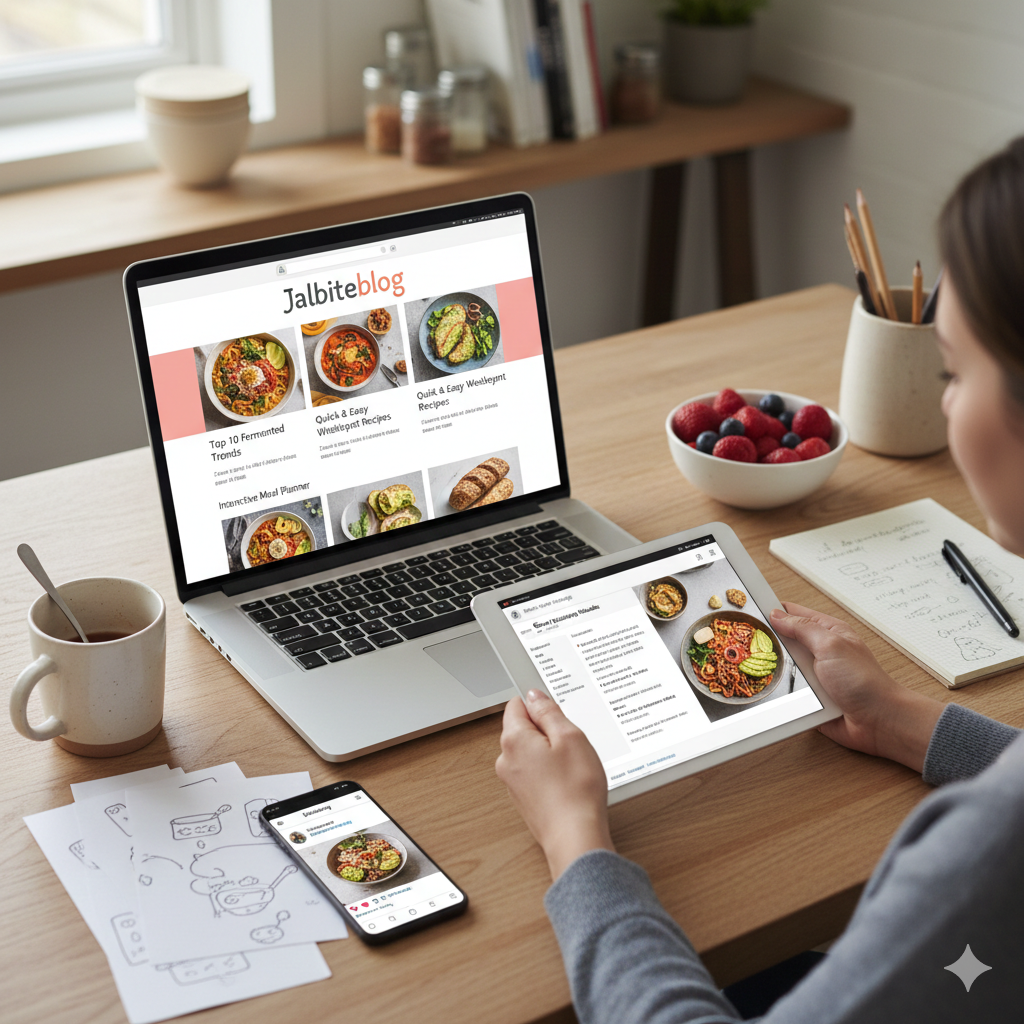
Conclusion
Jalbiteblog works best as a focused food trends and recipes brand that makes online food culture feel easy to understand and easy to try. The winning formula is not complicated: clear categories, reliable templates, honest cooking cues, and trend posts that explain the “why” without overhyping the “wow.” Keep the site consistent, publish regularly, and connect posts through useful collections. That is how Jalbiteblog becomes a place readers return to, not just a page they land on once.